How to Take Product Photos That Make Your Facebook Ads Stand Out
Great product photos are the foundation of every great Facebook ad — here's how to take them

The Two Types of Product Photos That Work in Facebook Ads
Before you pick up a camera, understand the two main types of product photos that perform well in Facebook ads — and why they work for different reasons.
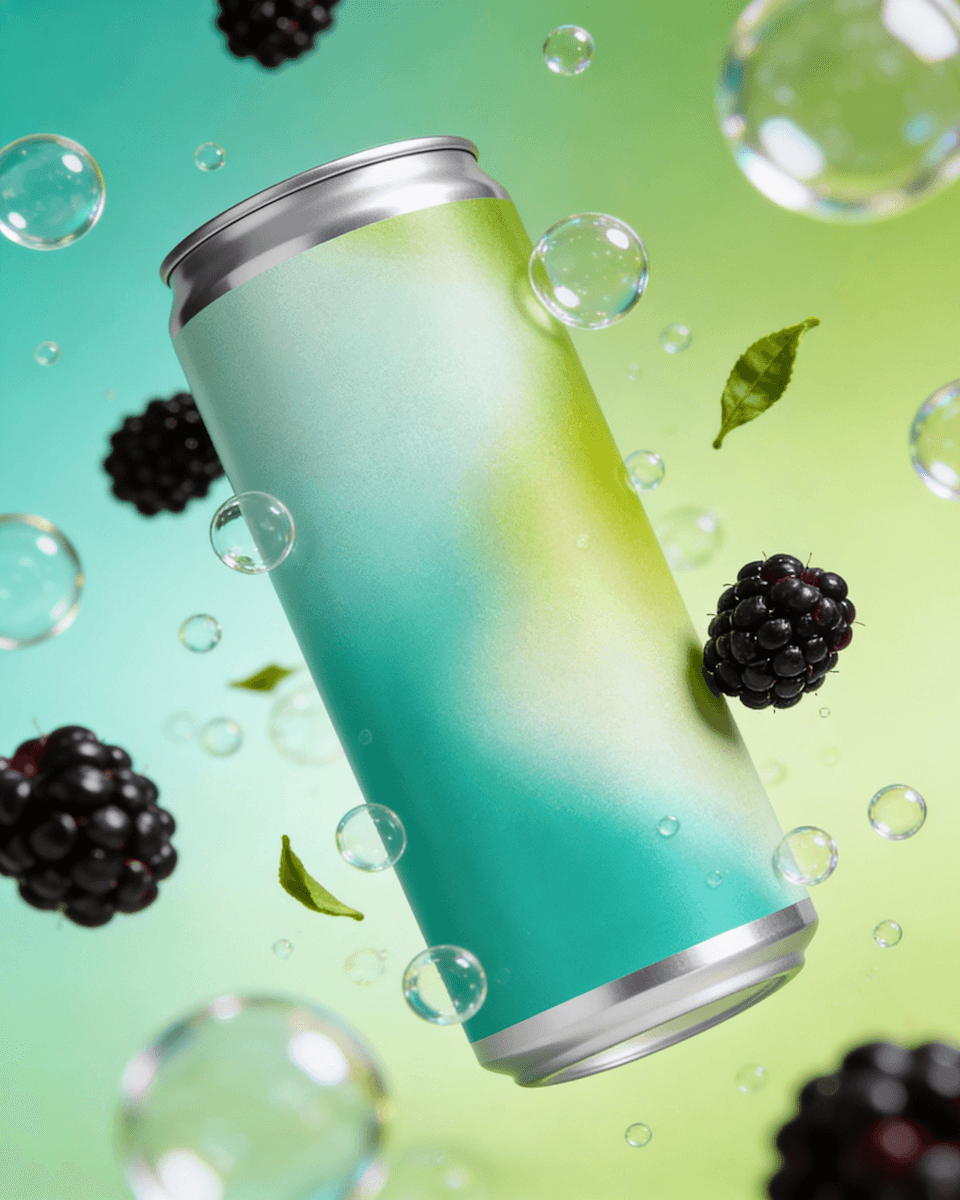
Studio/product shots — Clean, professional images of the product alone against a simple background. Great for showcasing details, quality, and design.
Lifestyle shots — The product being used by a real person in a real setting. These create emotional connection and help buyers picture the product in their own lives. For most Facebook ads, lifestyle shots outperform studio shots.
You Don't Need a Professional Camera
A modern smartphone camera can produce images good enough to run effective Facebook ads. What matters far more than the camera is the lighting, the composition, and the storytelling in the shot. Many brands running six-figure ad campaigns are doing so with iPhone photos.
Lighting: The Most Important Factor
Good lighting makes everything look better — the product, the colors, the texture. Bad lighting can make even an expensive product look cheap.
Natural light is your best friend. Set up near a large window on a bright day. The soft, diffused light from a cloudy sky is especially flattering.
Avoid harsh direct sunlight, which creates unflattering shadows.
If you're shooting indoors without great natural light, a simple ring light or a two-softbox setup costs under $100 and dramatically improves quality.
Shoot during the day whenever possible — artificial lighting often creates color casts that make products look off.
Backgrounds: Keep It Simple
The background of your product photo should support the product, not compete with it. Cluttered backgrounds distract from what you're selling.
A plain white or off-white background is clean and professional for product shots.
For lifestyle shots, choose settings that match your brand — a kitchen for food products, a gym for fitness gear, outdoors for adventure products.
Avoid busy patterns, bright colors, or anything that pulls the eye away from the product.
Composition Tips for Ad-Ready Photos
Fill the frame. Your product should take up most of the image. Don't let it get lost in a sea of empty space.
Shoot square or vertical. 1:1 square and 4:5 vertical images take up more screen space on mobile feeds. Horizontal images get cropped and shrink on phones.
Show the product in use. A photo of a water bottle sitting on a table is less compelling than a person holding it on a trail. Context tells a story.
Show key details up close. If your product has a special feature — a unique texture, a clever mechanism, premium stitching — get a close-up shot that shows it clearly.
Adding Text to Your Photos
Sometimes adding a small amount of text to your image can boost performance — a discount, a short headline, or a key selling point. Keep it minimal. A sentence or less. Too much text on an image reduces performance and can limit your ad distribution on Facebook.
How Many Photos Should You Take?
Take a lot. Shoot the same product from different angles, in different settings, with different lighting setups. You want to come away with at least 20–30 usable images from each shoot. This gives you material to test across multiple ads and refreshes you can rotate in as needed.
Turn Your Best Photos Into High-Converting Ads
Great photos are only half the equation. The other half is combining them with copy that sells. Stirling helps ecommerce and DTC sellers pair strong product visuals with proven ad copy frameworks to create static Facebook ads that stop the scroll and drive purchases. Build better product ads with Stirling and turn your best photos into your best-performing campaigns.
Turn Your Product Link Into 12 Winning Ads
Just paste your URL. Stirling’s AI reads your site, finds your best hooks, and builds high-converting ads in 60 seconds.